
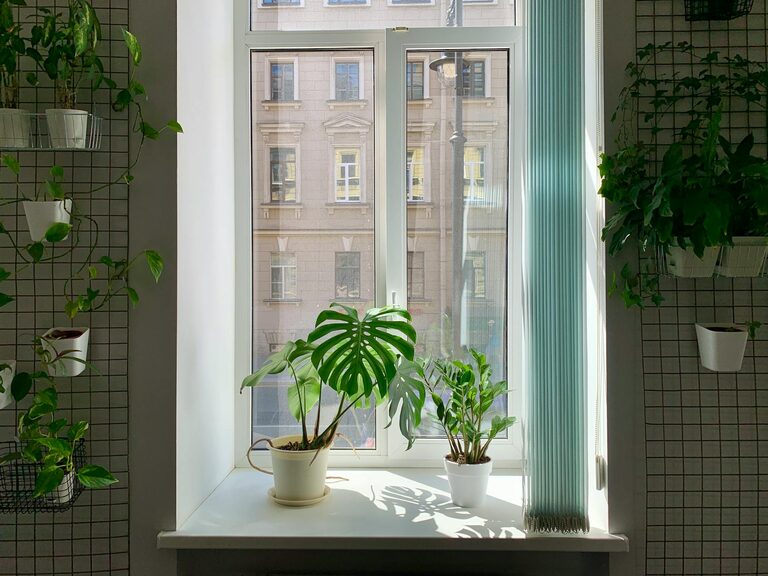
The Benefits of Incorporating Indoor Plants into Your Home Decor
Bringing nature inside has become a popular trend in home decor, and for good reason. Indoor plants not only add beauty and freshness to your living space, but they also provide a host of benefits for your health and wellbeing. Whether you’re a seasoned plant enthusiast or just starting to explore houseplants, incorporating greenery into your home is a wonderful way to brighten your environment. In this post, we’ll explore the many advantages of having indoor plants and offer tips on how to integrate them seamlessly into your decor.
Why Choose Indoor Plants for Your Home?
Indoor plants are more than just decorative objects. They create a calming atmosphere, improve indoor air quality, and can even contribute to your overall happiness. Here are some of the main benefits:
1. Enhanced Air Quality
Plants naturally filter the air by absorbing carbon dioxide and releasing oxygen. Some species, especially those known as air-purifying plants, can also remove toxins such as formaldehyde, benzene, and ammonia often found in household items and cleaning products. Popular air-purifiers include spider plants, peace lilies, and snake plants.
2. Stress Reduction and Improved Mood
Being around plants can reduce stress and boost mood. Research has shown that caring for plants stimulates both mindfulness and relaxation. The presence of greenery promotes a serene environment, making your home feel more welcoming and cozy.
3. Increased Humidity and Comfort
Indoor plants release moisture into the air—a process known as transpiration. This helps increase humidity levels, which can be especially beneficial in dry climates or during winter months when heaters tend to dry out the air. Slightly higher humidity can improve respiratory comfort and prevent dry skin.
4. Boost to Creativity and Productivity
Plants are known to stimulate creativity and improve concentration. Having greenery in your home office or study area can lead to higher productivity and a more pleasant working environment.
5. Natural Aesthetic Appeal
With their diverse shapes, colors, and textures, indoor plants add natural beauty and vibrancy to any room. They complement many decorating styles, from minimalist and modern to rustic and eclectic. Plus, plants are adaptable; you can use small succulents on shelves or large leafy plants as statement pieces.
Practical Tips for Adding Plants to Your Home Decor
To make the most of indoor plants, consider the following guidance:
Choose the Right Plants for Your Space
– Light requirements: Match plants with the lighting conditions of your room. Succulents and cacti thrive in bright sunlight, while pothos and snake plants can do well in low light.
– Maintenance level: Pick plants according to how much care you can provide. Some need frequent watering and trimming, while others like ZZ plants require very little attention.
– Size and placement: Consider how much space you have. Tall plants fit well in corners, while smaller ones are great for tabletops, shelves, or hanging planters.
Use Attractive Containers
The pot or planter can significantly influence how a plant fits your decor style. Choose materials like ceramic, terracotta, woven baskets, or sleek metal pots to complement your interior. Coordinating the colors or patterns can create a cohesive look.
Group Plants Creatively
Arranging multiple plants together creates a mini indoor garden. Grouping different sizes and types adds depth and visual interest. You can also mix plants with decorative objects, books, or candles to create appealing vignettes.
Incorporate Plants into Functional Spaces
– Kitchen: Herbs like basil, mint, and rosemary add greenery and can be used for cooking.
– Bathroom: Tropical plants like ferns thrive in the humidity of bathrooms.
– Living room: Larger statement plants can anchor seating areas.
– Bedroom: Choose air-purifying plants like lavender or aloe vera to promote restful sleep.
Care and Maintenance
Regular care keeps your plants healthy and looking their best:
– Water plants according to their needs, avoiding both overwatering and drought.
– Clean leaves occasionally to remove dust and improve photosynthesis.
– Rotate plants so all sides receive equal light.
– Fertilize during the growing season for best growth.
Popular Indoor Plants to Consider
Here are a few favorites that are well-suited to most homes:
– Spider Plant (Chlorophytum comosum): Easy to care for, great air purifier.
– Snake Plant (Sansevieria): Very tolerant of low light and irregular watering.
– Peace Lily (Spathiphyllum): Beautiful white blooms and excellent at filtering air toxins.
– Succulents: Require minimal watering and thrive in bright light.
– Pothos (Epipremnum aureum): Fast-growing vine, perfect for hanging baskets.
Final Thoughts
Incorporating indoor plants into your home decor brings more than just style—it enhances your living environment in multiple ways. With benefits like cleaner air, reduced stress, and added comfort, plants make your home a healthier, happier place. Start small if you’re new to gardening and choose plants that suit your lifestyle and space. Over time, your indoor garden will grow along with your enjoyment of these natural companions.
Adding greenery is a simple and affordable way to breathe life into any room. So go ahead—embrace the beauty and benefits of indoor plants and make your home a refreshing oasis.
